The Complete Snowboard Gear Checklist (Beginner to Advanced)
If you're reading this, chances are winter is on your mind. Maybe you're planning your first trip. Maybe you're a few seasons in and realizing your gear is starting to show its age. Or maybe you just like being prepared before the snow starts falling.
Whatever the case, having the right setup makes all the difference. And the best time to figure out what you need is before you actually need it.
Whether you're a first-timer building your very first kit or a seasoned rider upgrading a few pieces, this checklist breaks down everything you need—with a focus on the soft goods that keep you warm, dry, and comfortable on the mountain.
1. Outerwear: Your First Line of Defense
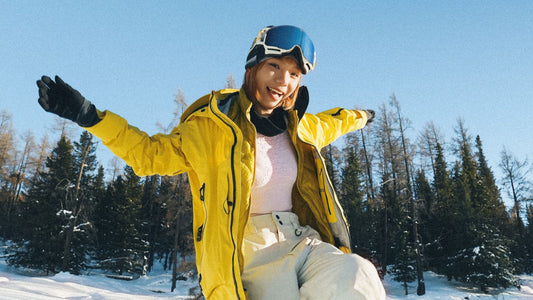
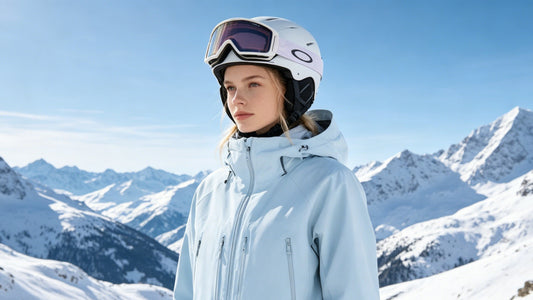
Your jacket and pants are what stand between you and the elements. This is where you don't want to cut corners.
Jacket:
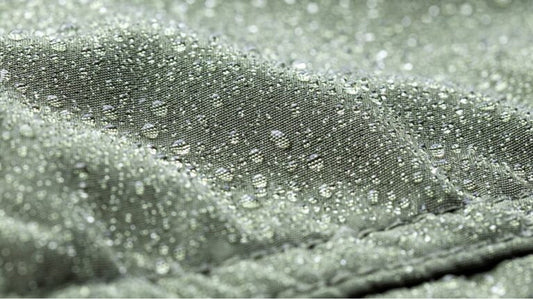
Look for waterproofing rated at 10K to 15K at minimum. Anything lower and you'll feel it on wet days or after a few falls in the snow. Pit zips are a game-changer—they let you dump heat on warmer days or when you're working hard. A helmet-compatible hood is also worth having.
Bibs vs. Pants:
Bibs have become the go-to for good reason. They keep snow out of your waistband during falls, offer better core warmth, and don't slide down throughout the day. If you ride powder or spend time in the trees, bibs are a solid choice. More Tips [Snowboard Pants vs Bibs: Which Should You Choose? | Essential Buyer's Guide for Beginners]
What to Look For:
-
Fully taped seams (non-negotiable for waterproofing)
-
Breathability rating (look for 10K or higher)
-
Pass pocket on the sleeve for lift access
Shop our collection: [W26 Snowboard Jacket & Bib Collection]
2. Base Layers: The Foundation
Base layers get overlooked, but they're actually one of the most important pieces of your kit. They manage moisture, regulate temperature, and keep you comfortable from first chair to last run.
Merino Wool vs. Synthetic:
-
Merino wool is naturally odor-resistant, breathable, and works well across a wide temperature range. It's the go-to for most riders.
-
Synthetic dries faster and is usually more affordable. It's a solid option if you're on a budget or tend to sweat heavily.
Fit:
Your base layer should fit snug but not restrictive. Loose base layers don't wick moisture effectively and can leave you feeling damp and cold.
View Article [ How to Choose the Perfect Snowboard Base Layer: A Complete Guide ]
Shop our collection: [Base Layer Collection]
3. Mid-Layers: Staying Warm Without the Bulk
On colder days, a mid-layer is what keeps your core temperature locked in. This is where a lightweight insulated jacket or vest comes into play.
View Article [ What Makes a Great Mid-Layer Down Jacket for Snowboarding? ]
When to Wear It:
A mid-layer goes between your base layer and your shell jacket. On warmer days, you can skip it and just ride in your shell. On cold days, it's essential.
Shop our collection: [Mid-Layer Jacket Collection]
4. Snowboard Socks: Yes, They Matter
Cotton socks are a recipe for cold, blistered feet. Snowboard-specific socks are designed to do a few important things:
-
Padding in key areas (shin, heel, calf) to reduce pressure points
-
Thinner underfoot for better board feel
-
Moisture-wicking materials to keep your feet dry
One Pair Per Day:
Don't wear the same socks two days in a row. Damp socks lead to cold feet and increase the chance of blisters. Pack at least one pair for each day you plan to ride.
View Article [ What Socks Are Best for Snowboarding? (Expert Picks for Warm, Dry Feet) ]
Shop our collection: [Socks]
5. Gloves & Mittens: Keep Your Hands Warm
Cold hands can ruin a day faster than almost anything else. The choice between gloves and mittens usually comes down to personal preference:
-
Mittens are warmer because your fingers share heat. They're the go-to for cold climates.
-
Gloves offer more dexterity for adjusting bindings, zipping pockets, and handling gear.
What to Look For:
-
Waterproofing (eVent or similar is ideal, but a good waterproof membrane works)
-
Gauntlet-style cuff that fits over your jacket sleeve (keeps snow out)
Shop our collection: [Gloves & Mittens]
6. Impact Shorts & Knee Pads: Smart Protection
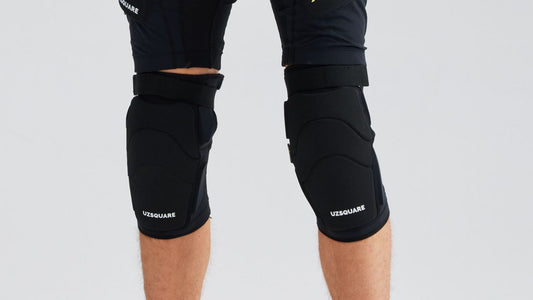
Let's be honest—impact shorts (also called crash pads or hip pads) aren't the coolest-looking piece of gear. And for a long time, they were seen as something only beginners wore. But ask any park rider or anyone who's taken a hard slam on an icy groomer, and you'll get a different answer.
View Article
[ Why Every Snowboarder and Skier Needs a Hip Protector: Ride with Confidence ]
The Reality:
No one's going to give you a hard time for wearing protection. The people who make fun of knee pads and impact shorts are usually the same people sitting out for two weeks with a bruised tailbone. Ride smart, stay on the hill longer.
Shop our collection: [Hip Pads & Knee Pads]
7. Balaclava & Face Protection
If you've ever ridden on a windy chairlift or a freezing morning, you already know why this matters. A balaclava or face mask protects your face from windburn, sun exposure, and frostbite.
Options:
-
Full balaclava: Covers head, neck, and face. Great for cold days.
-
Neck gaiter: Simpler, can be pulled up over your face when needed.
-
Built-in helmet compatibility: Look for thin materials around the ears so your helmet fits properly.
Shop our collection: [Balaclava & Face Gear]
8. Beanies & Headwear
Whether you wear it under your helmet or après-ski, a good beanie is a staple. Under a helmet, look for a thin, low-profile beanie that won't affect the fit. For après, go with whatever style suits you.
Shop our collection: [Beanies]
9. Bags & Travel Gear
Getting your gear to the mountain is half the battle. The right bags make travel easier and protect your investment.
Snowboard Bags:
-
Padded bags offer protection for air travel
-
Wheels are worth it if you're navigating airports
-
Look for separate compartments for boots and gear if you want to keep everything organized
Backpacks:
On the mountain, a small backpack or hydration pack is useful for carrying water, snacks, extra layers, and tools. For resort riding, look for something low-profile that won't interfere with the chairlift.
View Article [ What Kind of Backpack is Suitable for Skiing or Snowboarding? ]
Shop our collection: [Snowboard Bags & Backpacks]
10. The Hard Goods (A Quick Note)
While this guide focuses on the soft goods that make up the bulk of your kit, a complete setup obviously includes a few hard goods:
-
Snowboard & Bindings: Choose a board that matches your riding style and ability level. Bindings should match the flex of your board.
-
Boots: This is the most important piece of hard gear. Boots that fit properly make or break your experience. If you're buying online, make sure the brand has a solid return policy.
-
Helmet: MIPS technology is the current standard. If your helmet has taken a hit or is more than five years old, replace it.
These pieces are the foundation of your setup—but once you have them dialed, the soft goods are what keep you comfortable, warm, and riding all day.
Build Smart, Ride Longer
Putting together a snowboard setup can feel overwhelming, especially if you're just starting out. But here's the thing—you don't need to buy everything at once. The key is to prioritize what matters most for your comfort, safety, and the type of riding you plan to do.
If you're a beginner:
Focus your budget on three things: boots (get the fit right), a quality helmet, and a solid outerwear setup with proper base layers. You can rent a board and bindings for your first few trips while you figure out what style of riding you enjoy. And don't skip the impact shorts—your tailbone will thank you.
If you're an intermediate rider:
You probably already have the basics dialed. Now it's about upgrading pieces that make a real difference. A better mid-layer for temperature control. A proper set of merino base layers. Gloves that actually keep your hands dry on wet days. Small upgrades add up to a much better experience on the mountain.
If you're an advanced rider:
You know your gear better than anyone. Take some time to audit your kit before the season starts. Check your base layers for pilling. Test your jacket's waterproofing—if water stops beading up, it's time to refresh the DWR treatment or consider a replacement. Replace worn-out gloves, beat-up beanies, and anything that might leave you cold or wet when you're three runs into a deep day.
The bottom line:
Your hard goods (board, bindings, boots, helmet) get you down the mountain. But your soft goods—outerwear, base layers, gloves, socks, and accessories—are what keep you comfortable enough to stay out there all day. A great setup isn't about having the most expensive gear. It's about having the right gear that fits you well and works for the conditions you ride in.
Ride safe, stay warm, and we'll see you out there.
FAQ
Do I really need a bib, or are pants fine?
Both work—it comes down to personal preference and how you ride. Bibs offer better protection against snow sneaking in when you fall, and they provide extra core warmth. Pants are simpler, easier to layer with, and often more affordable. If you ride powder or spend time in the trees, bibs are worth the upgrade. If you mostly stick to groomers, pants will serve you just fine.
Read this article [ Snowboard Pants vs Bibs: Which Should You Choose? | Essential Buyer's Guide for Beginners ]
How many pairs of snowboard socks do I need?
Pack at least one pair per day you plan to ride. Damp socks lead to cold feet and blisters, and they won't dry overnight in a hotel room. If you ride frequently, aim for three to four pairs so you always have a clean, dry set ready.
Can I wear a regular winter jacket for snowboarding?
You can, but it's not ideal. Regular winter jackets aren't designed for the range of motion snowboarding requires, and they often lack essential features like pit zips, helmet-compatible hoods, and powder skirts. A proper snowboard jacket will keep you warmer, drier, and more comfortable all day.
Are impact shorts really necessary?
Necessary? No. Worth it? Absolutely. Your tailbone is one of those things you don't think about until you bruise it—and once you do, every chairlift ride becomes painful. Impact shorts are especially useful for beginners, park riders, and anyone riding firm or icy conditions. They fit snugly under your outerwear, and nobody can tell you're wearing them.
Should I buy everything at once or build my kit over time?
Build over time. If you're a beginner, focus on boots, a helmet, and a solid outerwear setup with base layers first. You can rent a board and bindings for your first few trips while you figure out what you like. Once you know your riding style, invest in the pieces that matter most to you.
Sources & References
https://www.redbull.com/us-en/snowboarding-equipment-guide
https://www.snow.com/articles/essential-snowboard-gear.aspx
https://www.snowandrock.com/expert-advice-and-inspiration/buying-guides/snowboard-buying-guide.html
Tags:
Previous
How to Choose the Perfect Snowboard Base Layer: A Complete Guide
Next
What Is an Aggressive Snowboard Fit? A Guide to Sharp Silhouettes & 3L Shells